Across Washington State, infrastructure projects are becoming some of the most visible signs of growth and investment. New transportation corridors, highway improvements, transit expansions, utility upgrades, bridge projects, and public works initiatives are transforming how communities connect, move, and grow.
These projects are not only reshaping physical landscapes. They are becoming major topics of discussion among residents, business leaders, developers, policymakers, and local governments. Infrastructure investments affect daily life, economic development, housing growth, and regional mobility. As a result, people want to understand where public dollars are being spent and how projects are progressing.
This growing demand for transparency has increased the importance of infrastructure project documentation services. Video has emerged as one of the most effective tools for communicating project milestones, demonstrating progress, and helping stakeholders understand the impact of major infrastructure investments.
Today, infrastructure video production is no longer limited to marketing or public relations. It has become a practical communication asset that supports project management, stakeholder engagement, community outreach, and long-term project documentation.
Table of Contents
ToggleInfrastructure Projects Are Receiving More Public Attention
Infrastructure has become one of the most discussed topics across Washington.
From transit expansions in urban areas to highway improvements connecting growing communities, infrastructure investments are often featured in local news reports and social media discussions. Residents want updates. Business owners want to understand how projects may affect access and transportation. Community leaders want visibility into project timelines and outcomes.
Unlike private developments, many infrastructure projects involve large numbers of stakeholders. Public agencies, contractors, engineers, local governments, businesses, and residents all have an interest in project success.
This creates a challenge.
How do project teams communicate complex technical information in a way that people can easily understand?
The answer increasingly comes through video.
Visual storytelling allows organizations to explain project goals, document progress, and communicate updates in a format that is more engaging than traditional reports or static photography.
Why Infrastructure Video Matters More Than Ever
Many infrastructure projects span several years.
A bridge replacement, transit expansion, utility modernization effort, or major roadway improvement can involve thousands of moving parts and multiple phases of construction.
Keeping stakeholders informed throughout this process is critical.
Video helps simplify communication by turning technical updates into visual narratives that are easy to follow.
Infrastructure videos can showcase:
- Project milestones
- Construction progress
- Engineering achievements
- Community benefits
- Safety initiatives
- Transportation improvements
- Environmental considerations
- Economic impacts
Instead of relying solely on written reports, project teams can provide audiences with visual updates that clearly demonstrate how work is progressing.
This helps build trust while improving transparency.
Washington’s Infrastructure Growth Is Creating New Opportunities
Washington continues to invest heavily in transportation, utilities, public facilities, and regional connectivity.
Population growth and economic development are creating demand for improved infrastructure across both urban and rural communities.
Projects involving roads, bridges, rail systems, ports, water infrastructure, and public facilities continue to shape conversations throughout the state.
As these investments grow, organizations are recognizing the value of documenting projects from beginning to end.
Video content supports a wide range of objectives, including:
- Public communication
- Community engagement
- Stakeholder reporting
- Project archives
- Investor presentations
- Educational outreach
- Marketing initiatives
One video can often serve multiple audiences while creating a lasting visual record of a project’s development.
Drone Technology Is Transforming Infrastructure Documentation
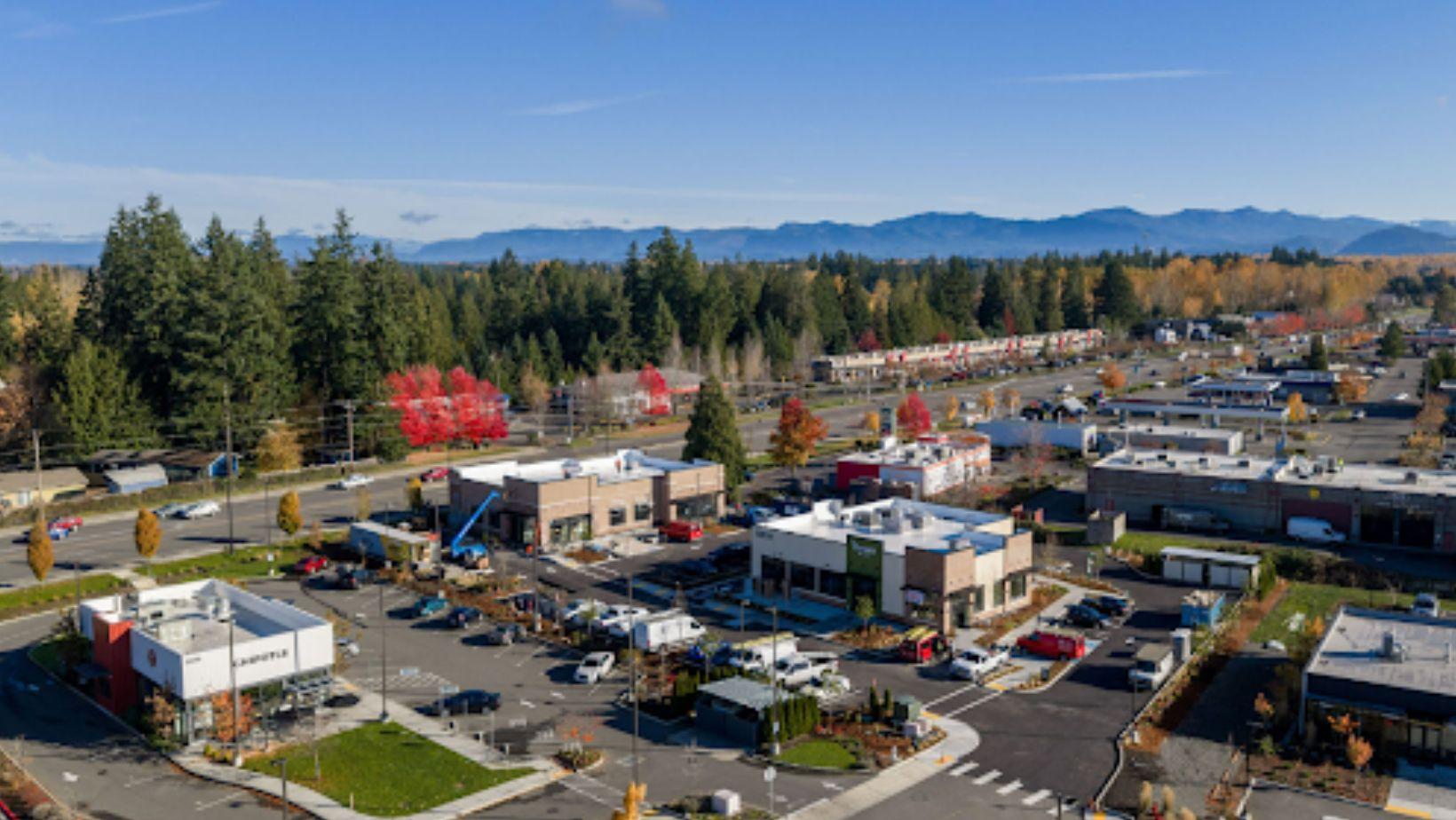
One of the biggest changes within infrastructure communication has been the adoption of drone technology.
Large infrastructure projects often cover extensive areas that are difficult to capture using traditional photography.
Drone footage provides a broader perspective and allows viewers to see how projects fit into the surrounding environment.
Aerial footage can highlight:
- Roadway improvements
- Bridge construction
- Transit expansions
- Utility installations
- Site preparation
- Project scale
- Community impact
For infrastructure projects, understanding scale is often critical.
Drone imagery helps audiences visualize progress while providing context that cannot easily be communicated through reports or diagrams.
The Growing Role of Visual Storytelling in Public Projects
Infrastructure projects are ultimately about people.
Road improvements affect daily commutes.
Transit expansions improve mobility.
Utility upgrades support future growth.
Public facilities serve communities.
While engineering and construction remain at the core of these projects, visual storytelling helps connect infrastructure investments to real-world outcomes.
Many organizations are partnering with experienced teams such as Peak3 Visuals to create project updates, aerial documentation, stakeholder communications, and visual assets that help explain infrastructure projects in a more engaging and accessible way.
These videos allow project teams to show not only what is being built, but why it matters.
This human element often creates stronger engagement and helps communities better understand the value of infrastructure investments.
Social Media Is Changing Infrastructure Communication
A decade ago, infrastructure updates were primarily shared through reports, public meetings, and government websites.
Today, social media has changed expectations.
Communities expect timely updates and visual content.
Drone flyovers, progress videos, project milestones, and before-and-after comparisons often generate significant interest because they provide a clear view of how projects are evolving.
Infrastructure organizations are increasingly using video content to:
- Share progress updates
- Educate the public
- Highlight project benefits
- Build community support
- Increase transparency
This shift reflects a broader trend toward visual communication across both public and private sectors.
Challenges and Opportunities
Infrastructure video production presents significant opportunities, but it also comes with challenges.
Projects often involve:
- Active construction zones
- Large geographic areas
- Safety restrictions
- Regulatory requirements
- Multiple stakeholders
Documenting these environments requires planning, coordination, and technical expertise.
However, organizations that invest in professional project documentation often gain valuable communication assets that support projects throughout their lifecycle.
The ability to clearly communicate progress can improve stakeholder relationships and strengthen public understanding.
Future Outlook
Infrastructure investment is expected to remain a major priority across Washington.
As communities grow and transportation needs evolve, additional projects will continue shaping the state’s future.
At the same time, expectations around communication and transparency will continue to increase.
Stakeholders want more than reports and updates.
They want visibility into how projects are progressing and how investments are benefiting communities.
Video provides a powerful way to meet those expectations.
Organizations that embrace visual storytelling today will be better equipped to communicate effectively, engage stakeholders, and document the projects shaping Washington’s future.
Conclusion
Infrastructure projects influence how people live, work, travel, and connect. As investments continue throughout Washington, effective communication will remain essential.
Video documentation helps transform complex engineering projects into stories that communities can understand and follow. By combining project updates, aerial footage, and visual storytelling, infrastructure video production is becoming one of the most valuable communication tools available for modern public works and development projects.